
Call us now :08045479863
 Send Inquiry
 Send Inquiry
Rotary Vane Pumps
MOQ : 1 Piece
Rotary Vane Pumps Specification
- Material
- Cast Iron, Stainless steel
- Size
- 25 X 25 MM
- Power
- Electric
- Height
- 17.5 Millimeter (mm)
- Pressure
- Low Pressure
- Color
- Sliver
- Length
- 254 Millimeter (mm)
- Usage
- Water, Air Pump
- Width
- 4.76 Millimeter (mm)
Rotary Vane Pumps Trade Information
- Minimum Order Quantity
- 1 Piece
- Payment Terms
- Cash on Delivery (COD), Cash in Advance (CID), Cheque, Cash Advance (CA)
- Supply Ability
- 1 Piece Per Day
- Delivery Time
- 1 Days
- Main Export Market(s)
- Asia, Australia, North America, Eastern Europe, Middle East, Central America, Africa, South America, Western Europe
- Main Domestic Market
- All India
About Rotary Vane Pumps
Consisting of vanes, these Rotary Vane Pumps are widely used in coffee machines, soft drink dispensers and automotives. Being a quality-conscious firm, we manufacture, offered pumps using supreme grade components in line with set international standards. Furthermore, provided pumps are rigorously tested on defined parameters to ensure their flawlessness. To meet the variegated needs of clients, we offer these Rotary Vane Pumps in various capacities, designs and other specifications at nominal rates.
Features:
- High operational fluency
- Longer service life
- Energy efficient
- Ease of installation
Specifications:
Rotary Vane pumps suitable for to pump viscos materials avaiable in S.S and C.I construction
Specifications:- Voltage: 220V/50Hz
- Pumping speed: (m3/h):1.2
- Ultimate pressure: (Pa):10
- Rotary speed: (r/min):1440
- Motor power: (W):90
High Versatility for Water and Air Pumping
These rotary vane pumps are adept at handling both water and air, making them suitable for a variety of residential, commercial, and industrial uses. Their low-pressure operation ensures gentle flow, catering to applications where a steady and controlled performance is crucial.
Robust Construction and Longevity
Manufactured from cast iron and stainless steel, these pumps promise exceptional durability and protection against harsh environments. This robust construction results in a longer life span and reduced maintenance, perfect for demanding operational settings.
FAQ's of Rotary Vane Pumps:
Q: How does a rotary vane pump operate in water and air pumping applications?
A: A rotary vane pump works by using a rotating mechanism that creates suction, allowing it to efficiently move water or air through low-pressure systems. The design ensures consistent, smooth flow in applications such as aquariums, small water features, or air supply systems.Q: What are the main advantages of cast iron and stainless steel construction in these pumps?
A: Cast iron provides solid structural strength, while stainless steel offers corrosion resistance. This combination ensures durability and little maintenance for pumping various fluids or gases, even in demanding or corrosive environments.Q: When should I choose a low-pressure rotary vane pump for my needs?
A: Choose a low-pressure rotary vane pump when your application demands gentle, steady flow instead of high force-such as in water circulation, aquarium aeration, or laboratory equipment. Their precision makes them ideal for delicate operations.Q: Where can these rotary vane pumps be installed most effectively?
A: These pumps are versatile and can be incorporated into water or air movement systems across industrial, residential, and commercial spaces. They are especially suitable where space is limited thanks to their compact design.Q: What is the process for installing and maintaining a rotary vane pump?
A: Begin by securely mounting the pump, ensuring all electrical connections are correctly made according to safety guidelines. Regular maintenance involves checking for wear or blockages, ensuring the blades function smoothly, and cleaning or replacing filters as needed.Q: How does the size and shape of these pumps benefit specific applications?
A: With dimensions of 4.76 mm width, 17.5 mm height, and 254 mm length, plus a size of 25 x 25 mm, these pumps are compact enough to fit tight spaces, making them excellent for installations with spatial constraints.Q: What usage scenarios particularly benefit from these electric-powered rotary vane pumps?
A: Scenarios ranging from laboratory equipment, water features, HVAC air supply, to small-scale industrial systems benefit from their efficiency, reliability, and quiet operation. Their electric drive also offers consistent, controlled performance.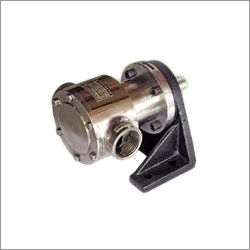
Tell us about your requirement

Price:
Quantity
Select Unit
- 50
- 100
- 200
- 250
- 500
- 1000+
Additional detail
Mobile number
Email

More Products in Rotary Pumps Category
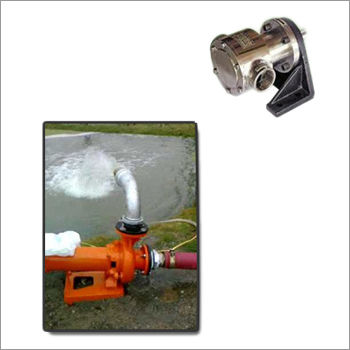
Rotary Vane Water Pump
Price 10000 INR
Minimum Order Quantity : 1 Piece
Material : Steel
Size : 50100 MM
Height : 20.3 Millimeter (mm)
Pressure : High Pressure
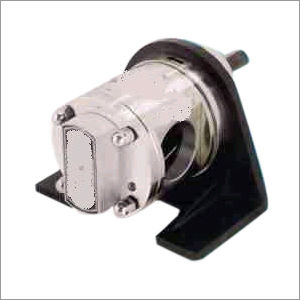
Rotary Gear Pumps
Price 25000 INR
Minimum Order Quantity : 1 Piece
Material : Cast Iron, Stainless steel
Size : 24 Inch
Height : 17.5 Millimeter (mm)
Pressure : Low Pressure
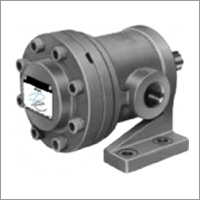
Electric Rotary Vane Pumps
Price 10000 INR
Minimum Order Quantity : 1 Piece
Material : Cast Iron, Stainless steel
Size : 25 X 25 MM
Height : 10 Centimeter (cm)
Pressure : Low Pressure

 Send Inquiry
Our Products
- Helical Geared Motor
- Electric Motors
- Pump Spares
- Worm Gearboxes
- Magnetic Driven Pump
- Rotary Pumps
- Multistage Pumps
- Self Priming Pumps
- Gear Pumps
- Solar Pumps
- Polypropylene Pumps
- Coolant Pumps
- Drum Pulley Assemblies
- Geared Motors
- Hydraulic Power Pack
- Gear Reducers
- Motors
- Submersible Pumps
- Submersible Motors
- Vertical Multistage Centrifugal Pumps
- Single Shaft Vertical Multistage Pump
- Pressure Booster Pumps
- Monoblock End Suction Pumps
- Immersible Pumps
- Waste Water Pump
- SCP Inline Pump
- SHS Pump
- Hydropneumatic Booster System
- Openwell Pumps
- Shallow Well Pumps
- Slow Speed Pumps
- Valves
- Drip
- Shakti A1 Smart Starters
- Mud Pump
- Kirloskar Vertical Multistage Inline Pump
- luby Pump
- Lubi Pumps

Laheripura, New Road, Vadodara - 390001, Gujarat, India

Mr. Hiren Parekh
(Proprietor )
Mobile :08045479863
 Send Inquiry
 Send SMS
Developed and Managed by Infocom Network Private Limited.


